A question keeps coming up in conversations with our milling partners across East Africa and the Middle East: does it make sense to pay more for a heavy cast-iron mill body, or is a lighter alternative good enough? Having now shipped a fair number of units into markets where mills run for hours at a stretch on dense grains — maize, millet, dry cassava — we think the answer is fairly clear, and it comes down to how the machine is actually used, not how it looks on a spec sheet.
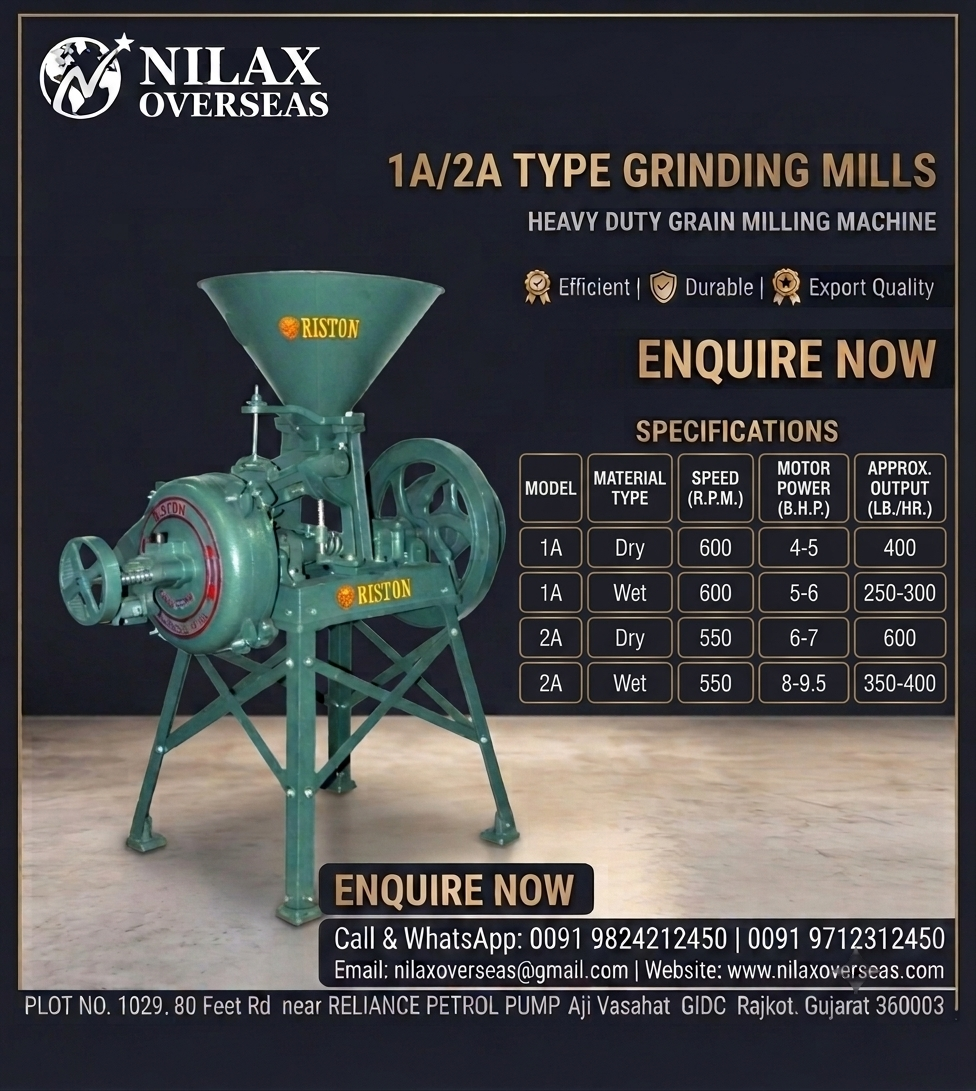
Continuous high-speed grinding puts real thermal stress on a machine, and it puts abrasive wear on every surface the grain touches. A body built from heavy-duty cast iron, paired with a bright steel shaft and quality ball bearings, is built to absorb that stress without flexing out of shape over time. Lighter frames can work fine for occasional, low-volume use, but in a commercial or community setting running long hours daily, they tend to show wear far sooner — and a mill that's out of service for repairs isn't earning anyone anything.
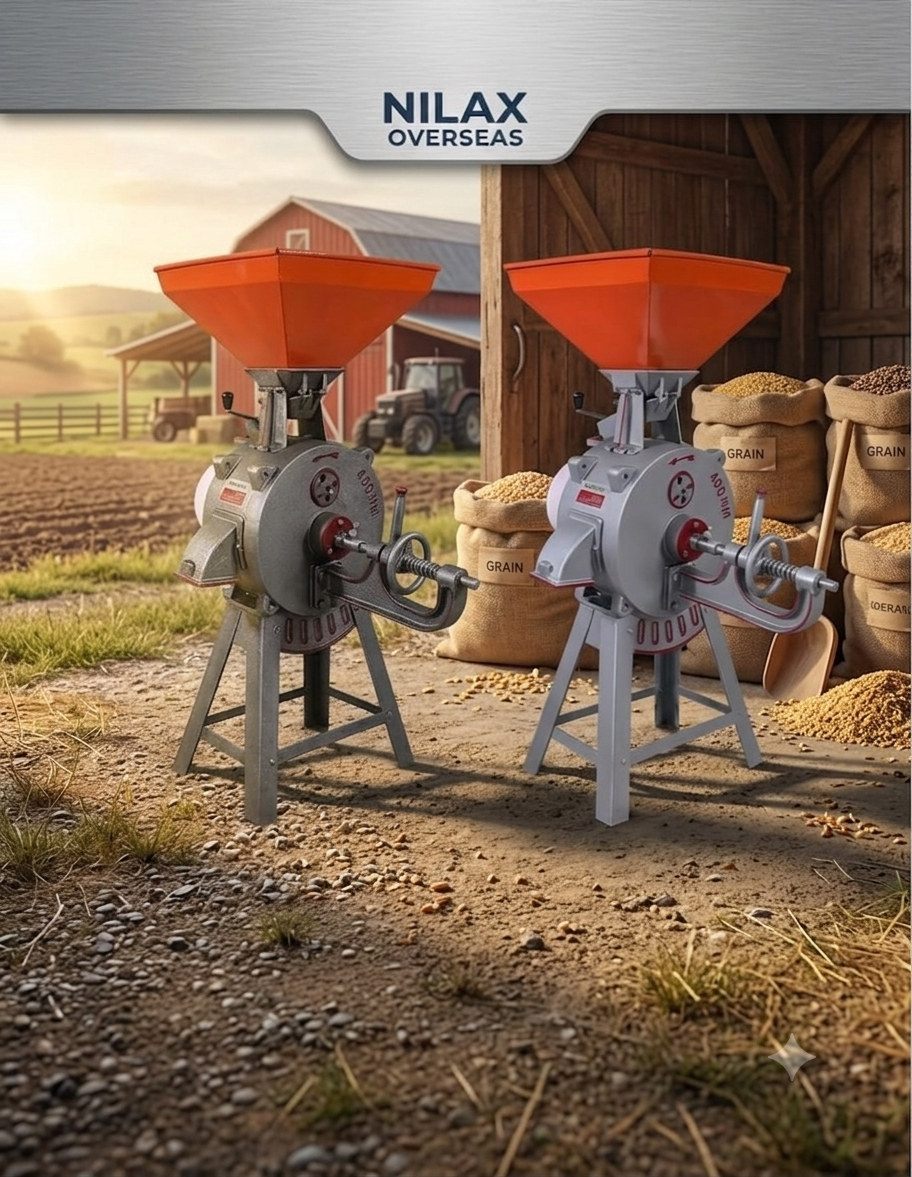
The other variable millers ask about is versatility. Some operations want fine wheat flour; others want coarser corn meal for dishes like ugali or posho. The internal grinding mechanism — whether that's precision plates or a synthetic emery stone set — is what determines how consistent that final output is. If you're planning to scale from a modest 20 kg/hr up toward 100 kg/hr or more, it's worth investing in a semi-automatic setup with an adjustable thrust handle and properly zinc-plated hardware. Ambient humidity in a lot of these regions corrodes cheaper bolts and fittings faster than people expect, and replacing hardware mid-operation is a bigger headache than paying slightly more up front.
Our takeaway after a year of these conversations: get the build specification right before the order ships, not after. It's a much smaller decision to make on paper than it is to correct once a machine has already crossed an ocean.