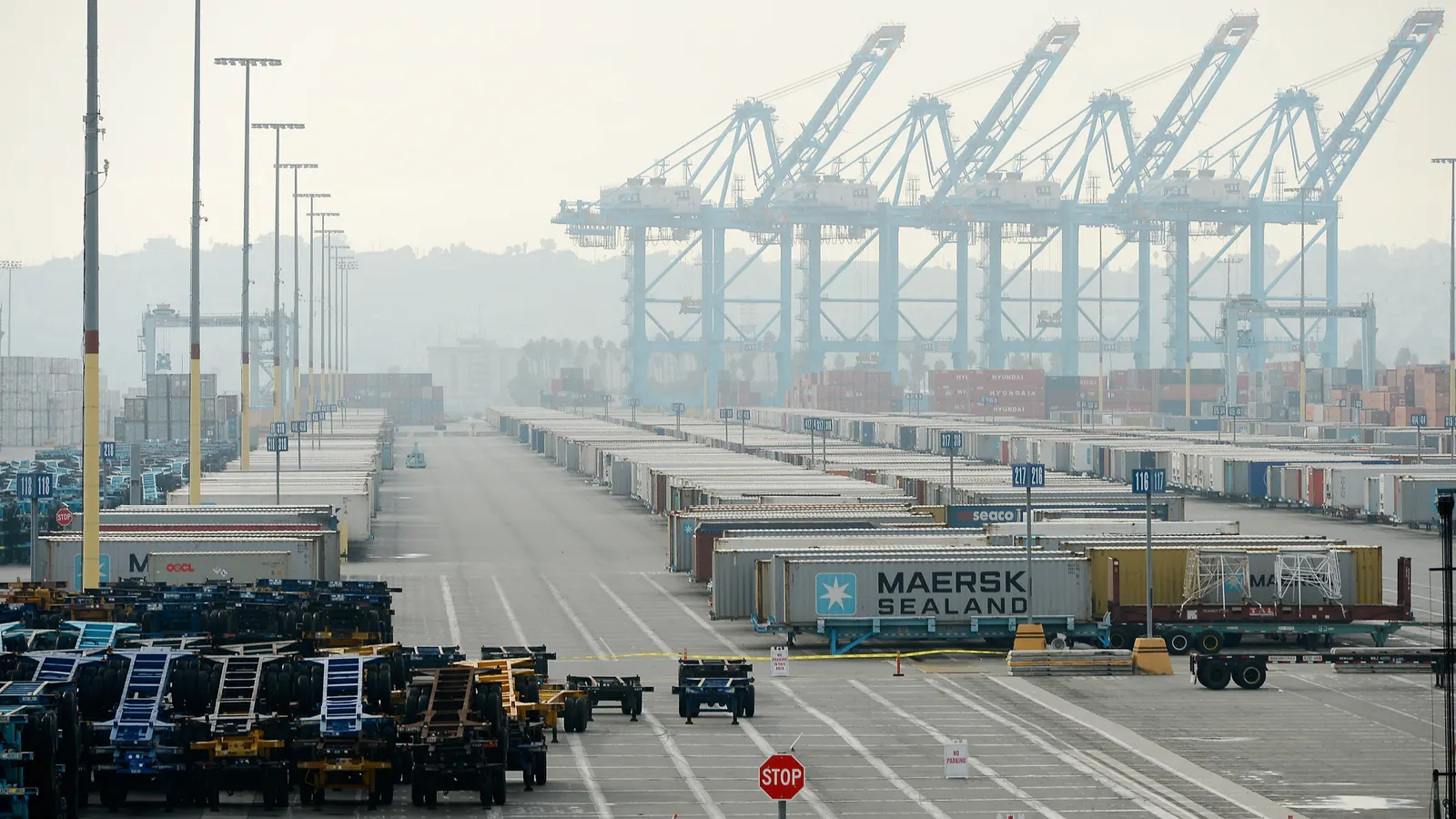
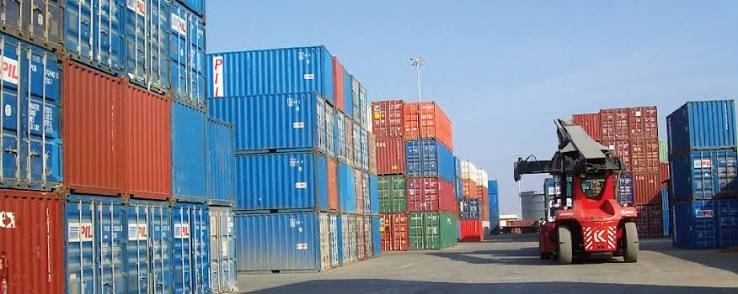
This year has been the most disruptive one we've seen for global shipping — container shortages, sudden port congestion, and freight rates that seem to move week to week rather than season to season. For an agricultural machinery exporter working out of Rajkot, that instability makes one thing non-negotiable: the packaging and dispatch side of the business has to be tighter than ever, because there's no room left to absorb a damage claim on top of everything else moving against us.
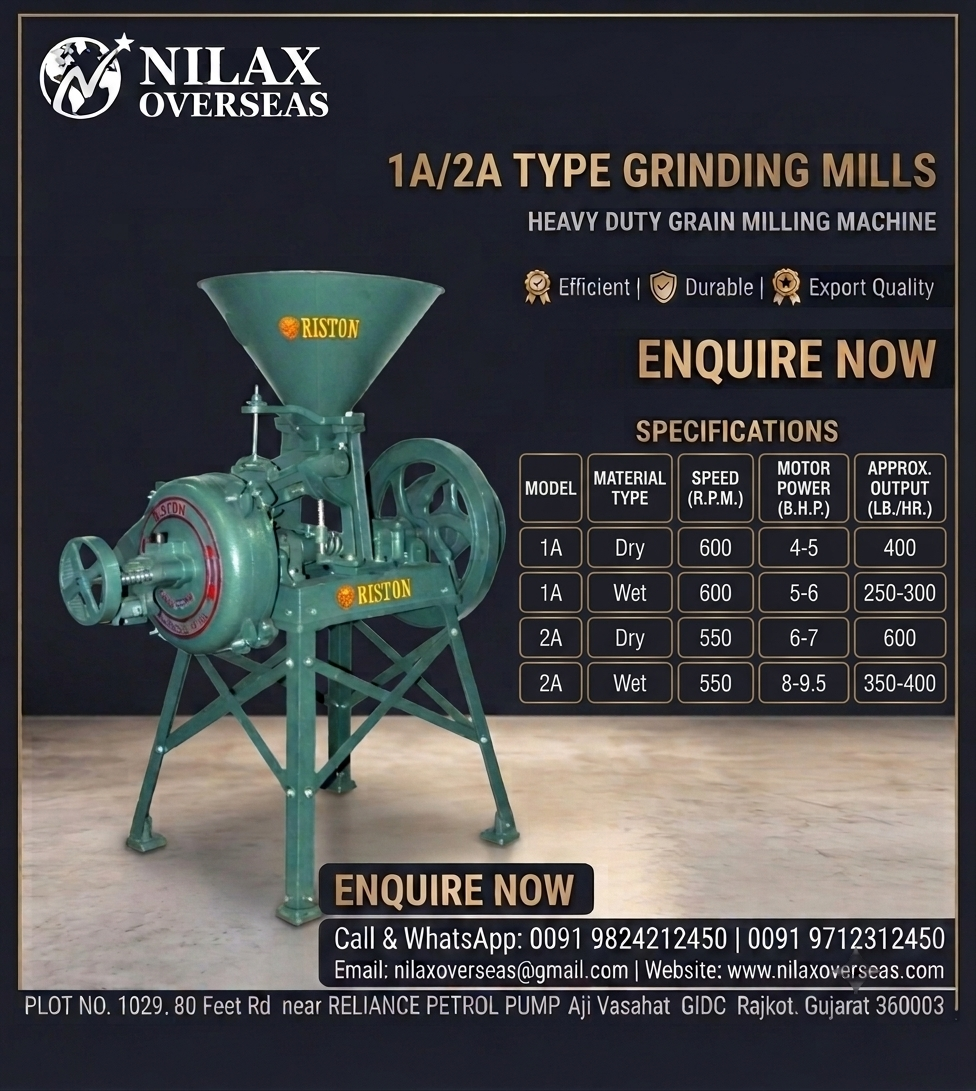
Consider what's actually traveling in these containers. A Danish-type grinding mill in the 500-plus kilogram range, or a bulk order of several hundred pairs of emery stones, is going to spend weeks at sea before it reaches an agricultural hub in Africa or the Middle East. Standard packaging simply doesn't hold up over that distance, and this year in particular has taught us that cutting corners here doesn't save money — it just moves the cost downstream into a transit damage claim, which takes longer and costs more to resolve than doing it right the first time.
That's why our operations team is holding the line on three things regardless of what freight rates are doing:
Export-worthy wooden cases. Heavy-duty, fumigated crating that keeps the machinery base secured and prevents shifting inside the container over a long voyage.
Moisture barriers. Protective wrapping and internal lining shielding unpainted metal surfaces from marine salt air, which does real damage over weeks at sea even when nothing else goes wrong.
Strategic port dispatch. Routing through major western Indian gateways like Mundra and Kandla, chosen specifically to minimize inland transit time before the ocean leg even begins.
Reliable export was never just about building a solid machine. This year has made that clearer than most — it's about making sure whatever we build actually arrives at the buyer's warehouse in a condition where it can be installed and put to work immediately, no matter how chaotic the shipping lanes were in between.